Four months of PageToVid, and the road ahead
· 4 min read
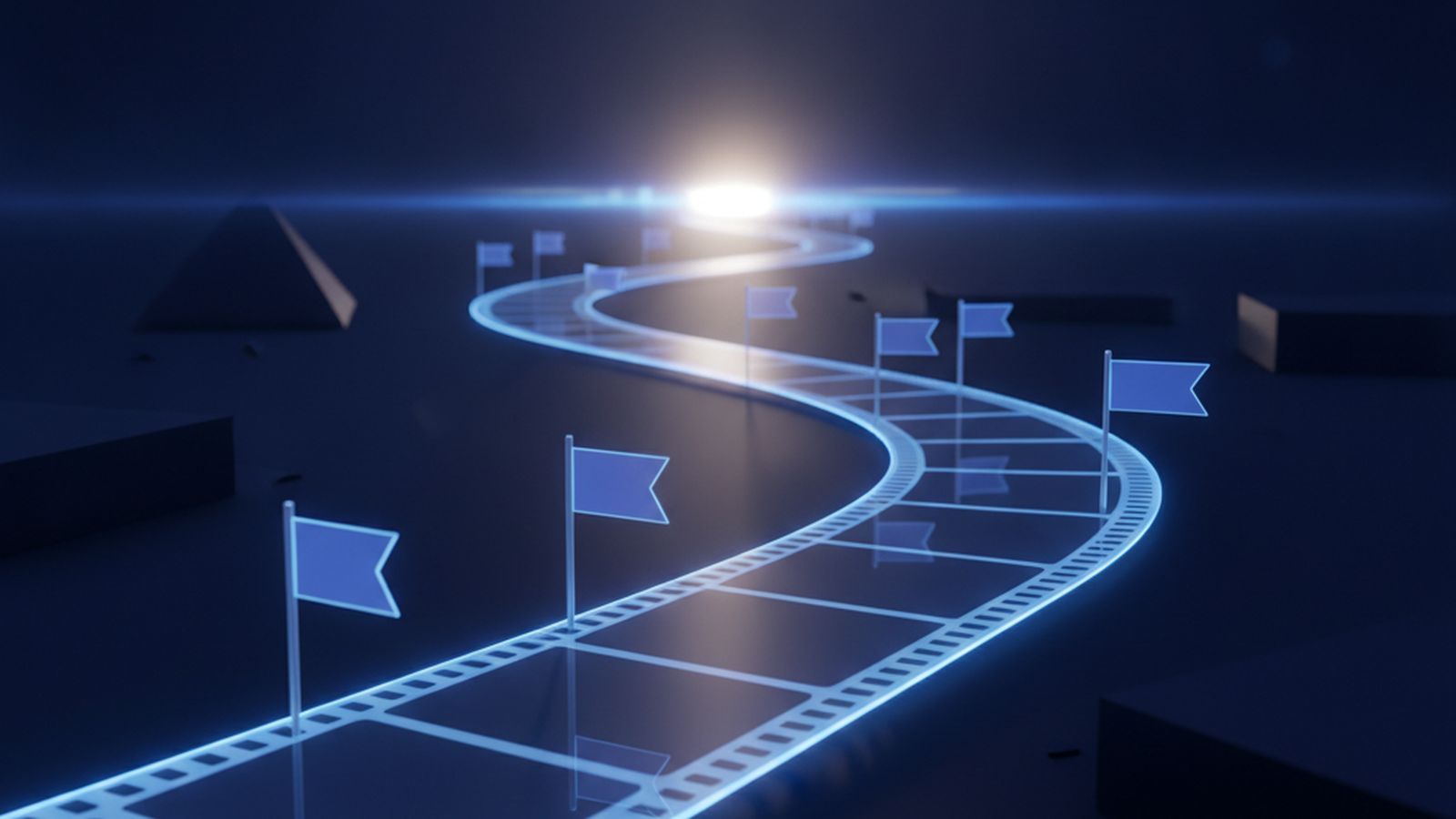
On June 23 we wrote the first line of a simple promise: paste a link, get a film of the real site. Today, November 3, every film is directed before it is shot. This chapter closes the first part of our story, so here is where we stand, what the journey taught us, and where we plan to go next.
The promise we started with
PageToVid began with one idea. Most websites deserve a video, and most of the people behind them have no time, crew or budget to make one. So you paste an address, and we film your actual site in a real browser, write a voice-over, add captions and hand you a finished film.
The first films were honest and a little stiff: one page, a scroll, a voice. Every chapter of this blog since then has been one step toward a film that feels made by someone who looked carefully at your site. Not a generic animation, not a stock-footage montage: your product, shown as it really is.
What happens today when you paste an address
The road from a pasted address to a finished film now runs through six stages:
- The probe reads the page, ranks what can be filmed, and walks the site: it photographs up to 12 subjects and presses up to 6 safe buttons to see what they open.
- The planner writes the storyboard from those pictures, so every line says what its shot shows.
- The director rereads the whole storyboard with a stronger model and repairs it, under a guard that never spends what you did not ask for.
- The recorder films the real site, with tours that continue where a click landed, on desktop and on phones.
- The voice is recorded and checked against the footage, and captions are cut on the voice's own pauses.
- The render brings it together with designed cards and, on paid films, AI clips, in 16:9, 9:16 or 1:1.
Each of those stages was a chapter here, often several.
Three doors into the same studio
There are now three ways in. The website, where you paste an address. Claude or ChatGPT, through our MCP connector, free on every plan, where an assistant inspects the pages, writes the brief and repairs the storyboard before you watch. And the API and the Chrome and VS Code extensions, for teams that want films from their own tools, including flows behind a sign-in that they record themselves.
The /difference page shows the same site filmed through each door. The directed film was the best, and the director that goes live today is our way of bringing every website film closer to it.
What four months taught us
Looking back over the chapters, a handful of lessons kept returning:
- Show the real product. Viewers trust what they see a site actually do, so real recordings and real clicks lead the film.
- Look before you write. A model that has seen the screen describes it; one that has not invents it.
- One reader with judgment beats many rules. Rules each guard one defect; a director rereads the whole film.
- People judge the films. Our automatic score helped, but the real verdict comes from watching films frame by frame, as a viewer would.
- Protect the brand. Your colours and your page come first, from the very first frame.
None of these is exotic. Each one we learned on real sites, one film at a time.
What we plan to build next
These are plans, not promises, and they come straight from the gap we can show today between a website film and an assistant-directed one:
- A brief before the plan. An assistant writes a full brief before it makes a film: the angle, the hook word for word, the shots in order, the facts to say. We plan to have the website write that brief too, from the ranked subjects and the walk's pictures, so the director starts from a strong plan instead of repairing a weaker one.
- A stronger model behind the director. Its instructions and its guard do not depend on the model, so we plan to try Claude behind it.
- A review after the render. An assistant reads a finished film's warnings and repairs before calling it done. We plan to add that last pass before a film reaches you.
Further out, we want a simpler system, not a bigger one: retire, one by one, the rules the director makes unnecessary, give it a say over motion, and run our test sites through every change automatically.
Thank you for reading along
This blog has been a diary of building in the open: what we tried, what we learned, what we changed. Thank you to everyone who pasted an address, watched a film closely and told us what felt wrong. Almost every chapter here started with a moment like that.
The goal has not moved since June: paste a page, get a film that shows the real product, says only what is true about it, and looks like the brand it belongs to. You can try today's version at /new, and follow the next chapters on /blog.
See it on your own site
Paste a page and get the narrated film this blog is about. The first one is free.
Keep reading